

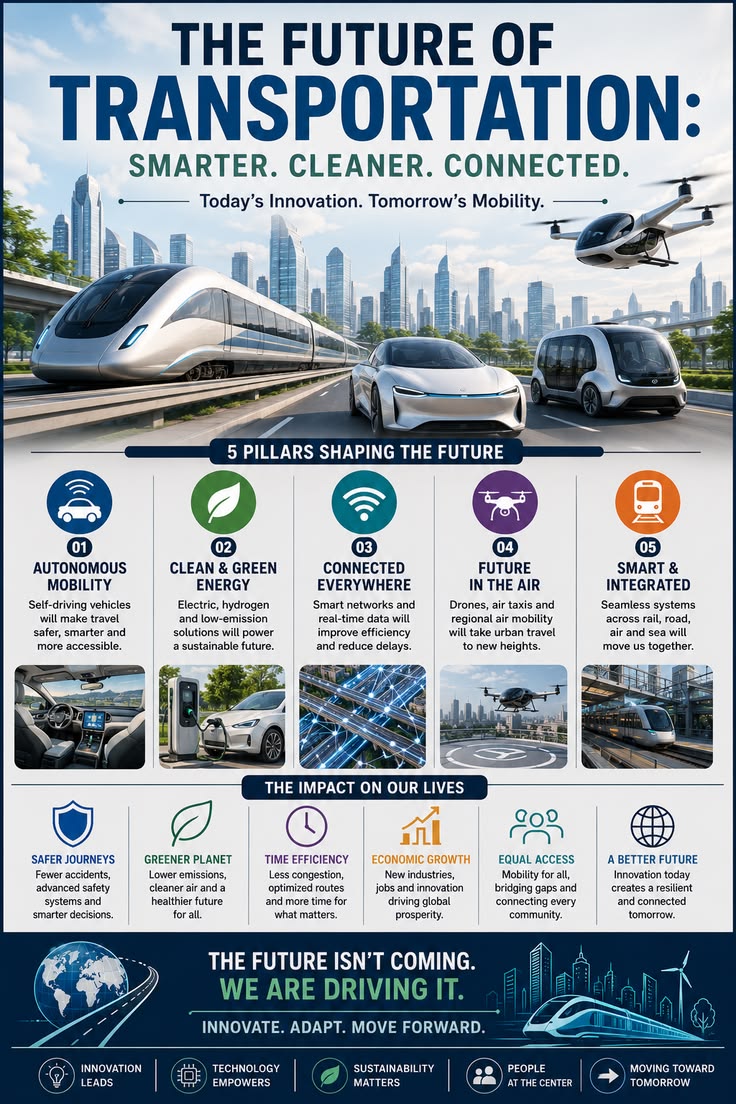
Electric vehicles have moved from emerging technology to a central pillar of the global automotive industry. In 2026, the transition continues at a measured yet determined pace, shaped by regional differences in policy, consumer demand, battery advancements and infrastructure expansion. While growth rates vary across markets, the overall direction remains clear: electrification is reshaping personal mobility, commercial transport and the broader energy system.
Global Sales Momentum and Regional Variations
Passenger electric vehicle sales are projected to reach approximately 23.3 million units worldwide in 2026, representing an increase of around 11 percent from the previous year. China continues to account for the largest share of these sales, maintaining its position as the dominant market. Momentum is also building in Europe, Southeast Asia, India, Mexico and Brazil, where supportive policies and expanding model availability are driving adoption.
In Europe, sales growth remains relatively strong, supported by regulatory targets and improving model range. Other regions show more mixed results. Some markets experience slower uptake due to changes in incentives, economic conditions or infrastructure readiness. Two- and three-wheelers, along with electric buses, are advancing faster in many places, approaching or exceeding 50 percent market share in certain segments. These lighter and commercial vehicles often face fewer barriers related to range and charging compared with passenger cars.
Battery Technology and Cost Dynamics
Lithium-ion batteries remain the foundation of the electric vehicle market. Battery deployment linked to electric vehicles grew substantially in recent years, though overall demand growth has moderated somewhat as the mix of vehicle types shifts. Plug-in hybrids and range-extender models, which typically use smaller battery packs than pure battery-electric vehicles, influence total capacity requirements. At the same time, demand from stationary energy storage is rising and helping to support the broader battery industry.
Manufacturers continue to refine cell chemistry, improve energy density and reduce costs. Progress on solid-state batteries continues, with testing and limited integration planned by some companies, yet large-scale commercial demonstration is still required before widespread adoption. Battery recycling is gaining strategic importance as production volumes rise and end-of-life packs begin to accumulate. Recovering critical materials is becoming an essential part of long-term supply security and sustainability efforts.
Charging Infrastructure Expansion
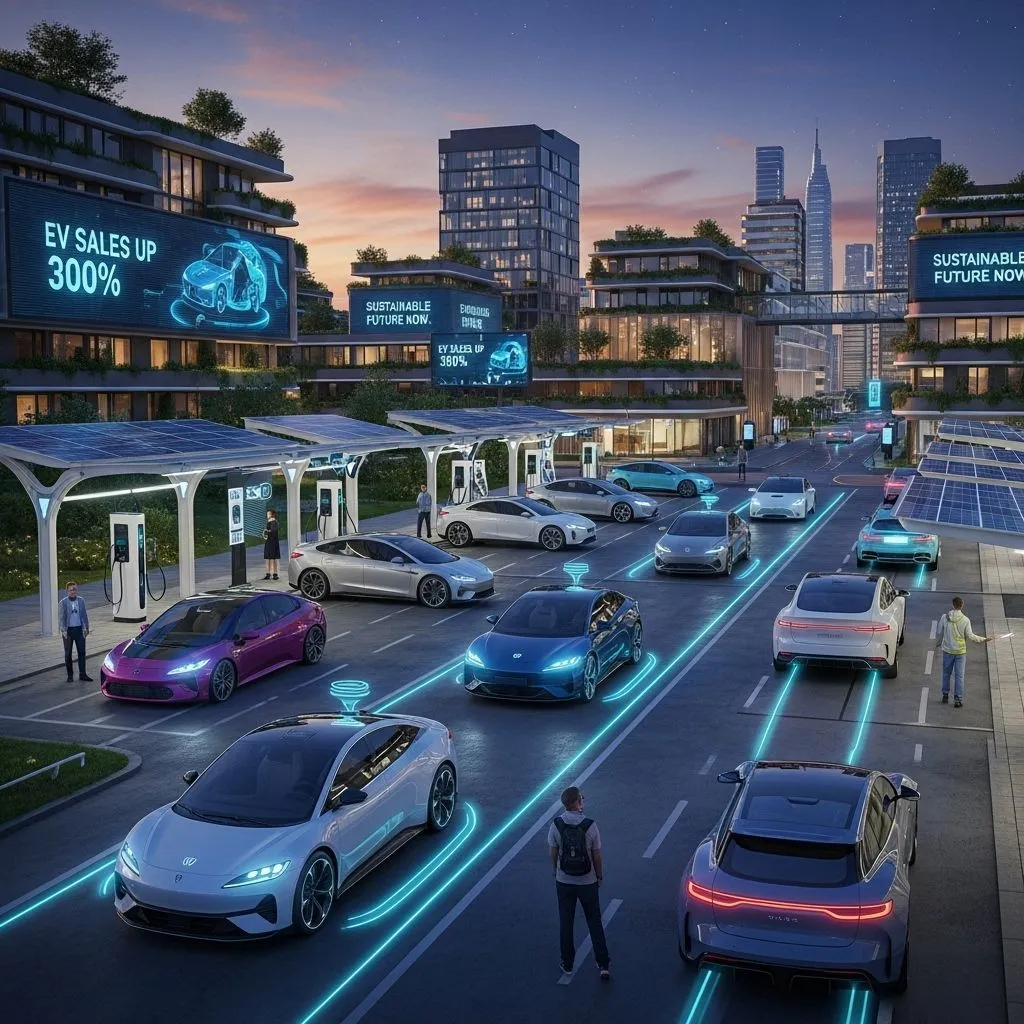
Public charging networks expanded significantly in 2025, with the number of connectors rising by about 28 percent to reach 6.7 million globally. Growth is expected to continue in 2026, though at a somewhat slower rate of new installations. China accounts for a large portion of new chargers, while Europe and the United States have seen particularly strong increases in ultra-fast charging points.
Reliable and convenient charging remains a key factor influencing consumer confidence. Home charging continues to play a major role for many owners, while public networks are critical for longer journeys and for drivers without private parking. Vehicle-to-grid technology, which allows cars to feed electricity back into the grid, is receiving growing attention as a potential tool for balancing electricity systems and providing additional value to owners.
Software, Intelligence and Vehicle Design
Electric vehicles are increasingly defined by software as much as by hardware. Software-defined vehicle architectures enable over-the-air updates, improved energy management and new features after purchase. Artificial intelligence is being applied to battery management, predictive maintenance, driver assistance and energy optimization. These digital capabilities enhance the ownership experience and open new service opportunities for manufacturers.
Ultra-fast charging technologies are also advancing, reducing the time required to add significant range. Combined with improvements in battery design, these developments help address remaining concerns about convenience and long-distance travel.
Affordability, Competition and Market Structure
Price remains an important consideration for many buyers. Greater competition, especially from manufacturers based in China, has contributed to more accessible model options in several markets. Local production, supply-chain efficiencies and evolving battery costs all influence the total cost of ownership. In some regions, electric vehicles are approaching or achieving cost parity with conventional models on a lifetime basis, particularly when fuel and maintenance savings are taken into account.
The competitive landscape continues to evolve. Established automakers are expanding their electric line-ups while new entrants focus on software-centric designs and direct sales models. Trade dynamics and manufacturing investments are shaping where vehicles and batteries are produced, with implications for supply security and regional industrial strategies.
Broader Impacts on Energy and Emissions
The rise of electric vehicles is beginning to affect oil demand in the road transport sector and is contributing to lower greenhouse gas emissions where electricity generation is relatively clean. As the share of renewable energy in power systems increases, the environmental benefits of electrification grow stronger. At the same time, the electricity system must adapt to higher demand from charging, creating both challenges and opportunities for grid operators and energy planners.
Looking Ahead
In 2026, electric mobility is no longer a niche phenomenon. It is a mainstream element of the transportation landscape, supported by continuous improvements in technology, expanding infrastructure and evolving consumer preferences. Progress is uneven across regions and vehicle segments, yet the underlying trends point toward deeper electrification over the coming decade.
Success will depend on sustained investment in charging networks, further reductions in battery costs, reliable supply chains for critical materials, and policies that support both innovation and equitable access. Software and connectivity will play an increasingly important role in differentiating vehicles and enhancing their value. Recycling and circular approaches to batteries will become more essential as the fleet of electric vehicles on the road expands.
The transition to sustainable transportation is well underway. Electric vehicles stand at the center of this shift, offering a pathway to cleaner, quieter and more efficient mobility. The developments unfolding in 2026 illustrate both the progress achieved and the work that remains to fully realize the potential of electrified transport on a global scale.
Read more – wishdua.com