

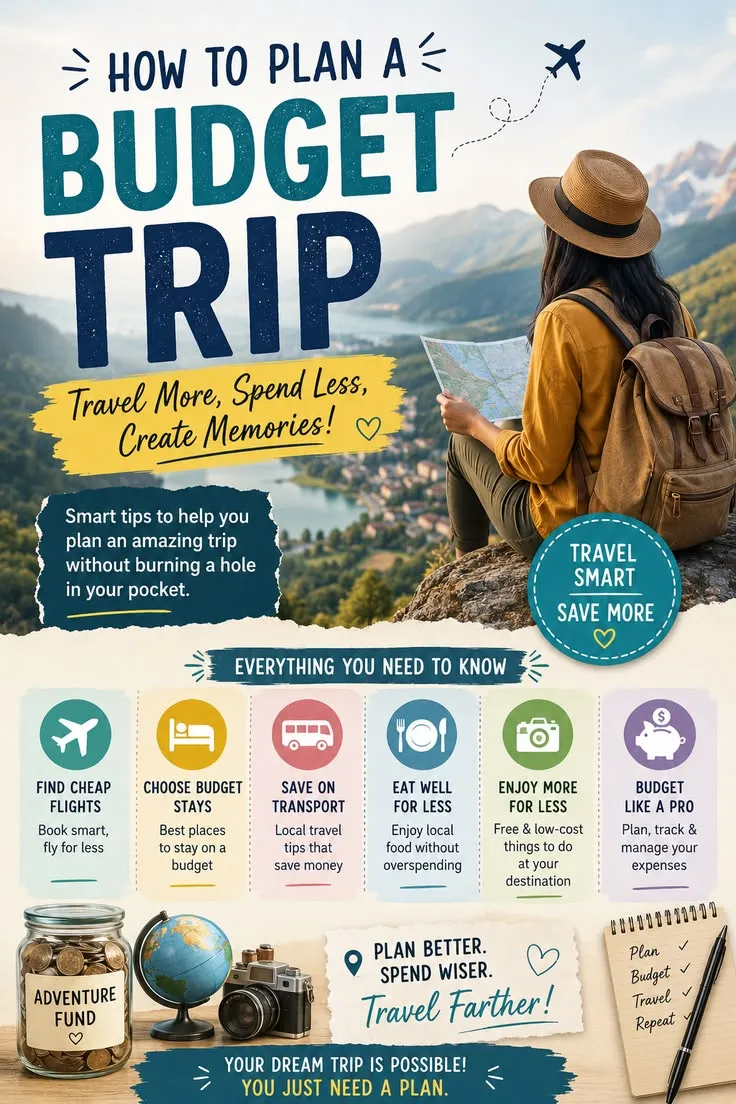
Traveling on a limited budget does not require sacrificing memorable experiences. With deliberate planning, flexible choices, and smart prioritization, it is possible to enjoy destinations fully while keeping costs under control. The foundation lies in setting clear financial boundaries early, then allocating resources to the elements that deliver the greatest personal value. This approach turns potential constraints into opportunities for creativity and authentic discovery.
Start by Setting a Realistic Total Budget
Before browsing flights or accommodations, determine the maximum amount that can be spent without creating financial strain. Review savings and monthly obligations to identify a comfortable total. Divide this figure across major categories—transportation, lodging, food, activities, and a contingency buffer of roughly 10 to 15 percent. The buffer accounts for unexpected costs or spontaneous opportunities. Breaking the budget into categories provides clear limits and prevents overspending in one area from derailing the entire trip. Calculating a rough daily allowance after major fixed costs helps maintain day-to-day awareness.
Choose Timing and Flexibility for Maximum Savings
Traveling during shoulder seasons—periods just before or after peak times—often yields lower prices on flights and lodging while reducing crowds. Weather remains favorable in many destinations during these windows, and the overall experience feels more relaxed. Flexibility with exact travel dates further amplifies savings. Midweek departures frequently cost less than weekend flights. Using flexible-date search tools reveals cheaper options a day or two earlier or later than initially planned. Setting price alerts allows monitoring of fares over time so bookings can occur when rates dip.
Optimize Transportation and Lodging Choices
Transportation and accommodation typically represent the largest shares of trip costs. Compare options thoroughly and consider alternatives such as trains or buses for certain routes when practical. Packing light helps avoid baggage fees and increases mobility for public transit use. For lodging, evaluate vacation rentals or apartments with kitchen facilities alongside traditional hotels. Having access to a kitchen supports preparing some meals, which significantly reduces food expenses. Staying slightly outside the busiest tourist centers often delivers better value while remaining accessible via public transport. Loyalty programs and member discounts can unlock additional savings without compromising comfort.
Balance Food Spending for Enjoyment and Economy
Dining out every meal quickly inflates costs. A practical strategy involves preparing breakfasts or simple lunches when possible and treating one meal per day—often lunch—as the main restaurant experience. Local markets, street food, and neighborhood eateries frequently offer authentic flavors at lower prices than tourist-heavy spots. Researching average meal costs in advance sets realistic expectations. This balanced approach allows enjoyment of regional cuisine without constant budget pressure.
Prioritize Experiences and Seek Free or Low-Cost Activities
Identify one or two must-do activities or experiences that define the trip’s enjoyment and allocate funds specifically for them. Fill the remaining time with free or inexpensive options such as walking tours, parks, beaches, museums with free entry days, markets, neighborhoods, and scenic viewpoints. Many cities offer tip-based walking tours that provide excellent local insight. Public parks, free observation points, and cultural sites often deliver lasting memories without ticket costs. Mapping activities by neighborhood minimizes transport expenses and creates efficient days.
Track Spending and Maintain Flexibility
During the trip, monitor daily expenses against the planned allowance. Simple tracking—whether through a notebook or app—helps catch overruns early. The contingency buffer provides room for unplanned discoveries without stress. Remaining open to adjustments, such as swapping a paid attraction for a free alternative when needed, preserves both budget and enjoyment. Sharing costs with travel companions for certain expenses further stretches resources.
Build Habits That Support Future Trips
Developing a habit of setting aside modest amounts regularly into a dedicated travel fund makes future journeys more accessible. Researching destinations based partly on value rather than pure popularity can reveal appealing options with favorable pricing. Combining points or rewards where available, packing versatile clothing, and relying on public transport become second nature with practice.
Planning a budget-friendly trip centers on intentional decisions rather than deprivation. By establishing a clear total budget, choosing advantageous timing, optimizing major costs, balancing food and activities, and remaining flexible, travelers create space for genuine enjoyment. The result is a journey defined by meaningful experiences rather than financial worry. With these strategies, affordable travel becomes not only possible but rewarding, allowing more frequent adventures without compromising the sense of discovery and fun that makes travel worthwhile.
Read more- marathimeanings.com